
Slim IO Relays
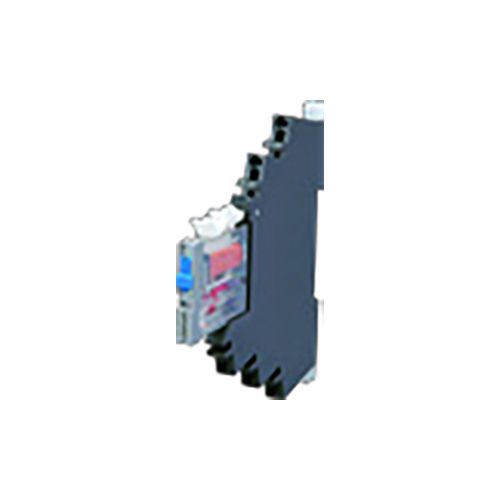

Slim IO Relays Specification
- Insulation Material
- Polycarbonate
- Humidity %
- Up to 95% RH, Non-Condensing
- Power Factor
- 0.8
- Mounting Type
- DIN Rail Mounting
- Feature
- Plug-in, Easy Replacement
- Shape
- Rectangular Slim
- Operating Temperature
- -20C to +55C
- Efficiency
- High Efficiency
- Connector Type
- Screw Type
- IP Rating
- IP20
- Overheating Protection
- YES
- Surface Finish
- Matte Finish
- Product Type
- Slim IO Relay
- Application
- Industrial Control Panels, Automation Systems, PLC Interface
- Protection Level
- High Dielectric Strength
- Frequency (MHz)
- 50 - 60 Hz
- Rated Voltage
- 24V DC / 230V AC (Variants Available)
- Energy Consumption
- Low Power Consumption
- Output Type
- SPDT (Single Pole Double Throw)
- Color
- Grey
- Dimension (L*W*H)
- 79 mm x 6.2 mm x 15 mm
- Weight
- Approx. 50 g
- Phase
- Single Phase
- Input Voltage
- 24V DC or 230V AC (Model Dependent)
- Size
- Slim
- Connection Type
- Screw Terminal
- Material
- Polycarbonate Body with Copper Contacts
- No Of Poles
- 1 Pole
- Mechanical Life
- 10 Million Operations
- Electrical Life
- 100,000 Operations at Rated Load
- Relay Type
- Electromagnetic
- Contact Material
- Silver Alloy
- Dielectric Strength
- 2500V AC for 1 minute
- Contact Current Rating
- 6A
- Coil Power Consumption
- Approx. 0.53 W (24V DC)
About Slim IO Relays
Feature
- Cleaning of Panel Carbon with CRC-2-26
- Removal of old nut bolt
- Check condition of contact and fixed arcing contacts shall be checked.
- All Dust Clean In The Panel With blower
- All Interlocking checking and Control Wiring Checking
- All Nut Bolt Tightening In the Panel
- Bus bar Coupling Checked
- Checking presence of Power Wiring
- Checking presence and proper tightening of hardware.
- Checking presence of all cir clips
- Checking condition of contact terminals
- Checking scrapping earth alignment
Reliable Control for Industrial Applications
Engineered for automation and control systems, Slim IO Relays provide durable, high-performance switching. Their 6A current rating and silver alloy contacts ensure long-lasting electrical conductivity, while robust polycarbonate construction offers physical resilience. These relays support single-pole operations and are well-suited for industrial panels, making them indispensable where compact, reliable interfacing is essential.
Flexible and Easy Integration
Thanks to their slim profile, screw terminal connections, and DIN rail mounting, these relays fit seamlessly even in tightly packed panels. The plug-in structure allows quick replacement and reduces downtime. With variants for both 24V DC and 230V AC rated voltage, they cover diverse installation needs in automation and control interfaces.
Efficient and Safe Operation
Low coil power consumption (approx. 0.53W at 24V DC) ensures energy efficiency. Certified with IP20 rating and overheating protection, these relays are built for safe, continuous operation in conditions of up to 95% relative humidity and temperatures ranging from -20C to +55C. Their high dielectric strength enhances protection for sensitive automation equipment.
FAQ's of Slim IO Relays:
Q: How do I install a Slim IO Relay in my control panel?
A: Slim IO Relays are designed for quick and easy installation with DIN rail mounting and screw terminal connections. Simply attach the relay to the DIN rail in your control panel, connect the input and output wires using the screw-type terminals, and ensure the correct model is used for your circuit's voltage (24V DC or 230V AC).Q: What are the key benefits of using these Slim IO Relays in automation systems?
A: These relays offer high mechanical and electrical durability, efficient low power consumption, quick plug-in replacement, and compact size for space-saving installations. Their robust dielectric strength and reliable operation ensure enhanced protection for your automation and control systems.Q: When should I consider replacing a Slim IO Relay in my system?
A: It is advisable to replace the relay if it has approached the end of its rated electrical life (100,000 operations at rated load) or if you notice inconsistent switching, excessive heating, or physical damage. Regular preventive maintenance helps avoid unexpected downtime.Q: What types of applications are suitable for these relays?
A: Slim IO Relays are ideal for industrial control panels, PLC interfaces, and automation systems requiring reliable switching and compact component size. They are commonly used in manufacturing plants, process controls, and other automation environments.Q: Where can I use Slim IO Relays safely regarding environmental conditions?
A: These relays are rated for operation in environments with temperatures from -20C to +55C and up to 95% relative humidity (non-condensing). The IP20 rating ensures protection against fingers and objects larger than 12mm but not against liquids or dust, so use within enclosed panels.Q: How does the relay's low power consumption benefit my operations?
A: With a coil power consumption of only 0.53W (24V DC), these relays reduce overall energy costs and heat generation. This energy efficiency makes them suitable for large-scale installations and continuous operation.Q: What process is involved in replacing a Slim IO Relay?
A: Replacing a Slim IO Relay is straightforward due to its plug-in design. Disconnect the control circuit power, remove the faulty relay from its DIN rail socket, install the new relay, and securely tighten the screw terminals. Ensure compatibility with your system's voltage and phase before restoring power. Get Latest Price
Tell us about your requirement

Price:
Quantity
Select Unit
- 50
- 100
- 200
- 250
- 500
- 1000+
Additional detail
Mobile number
Email

More Products in Push-In Plus Terminals Category
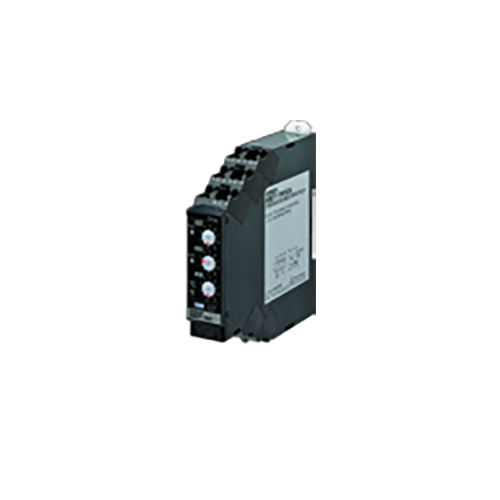
Measuring and Monitoring Relays
Output Type : SPDT Relay Output
Connector Type : Screw Terminal
IP Rating : IP20
Dimension (L*W*H) : 90 mm x 36 mm x 65 mm
Material : Polycarbonate Body
Rated Voltage : 230 V AC / 415 V AC
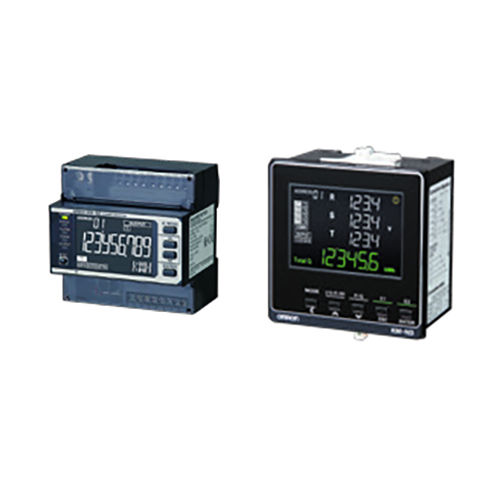
Power Monitors
Output Type : Digital display
Connector Type : Screw type connectors
IP Rating : IP40
Dimension (L*W*H) : Varies based on model
Material : Polycarbonate housing
Rated Voltage : 230V AC
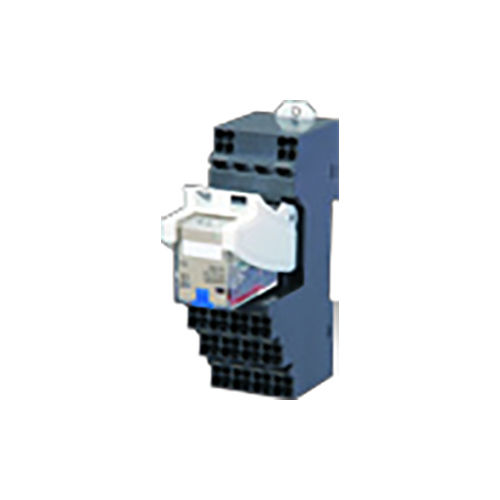
Common Sockets (for MY-H3Y(N)-B)
Output Type : Relay
Connector Type : Pintype Connector
IP Rating : IP20
Dimension (L*W*H) : 34 x 34 x 67 mm
Material : Highgrade Plastic
Rated Voltage : 250V AC
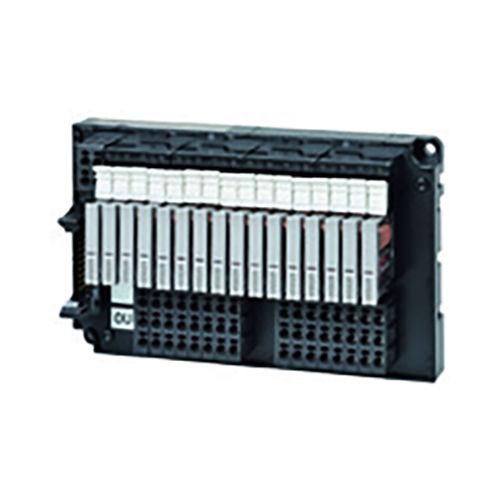
IO Relay Terminal
Output Type : Relay Output
Connector Type : Screw Type
IP Rating : IP20
Dimension (L*W*H) : 125mm x 100mm x 30mm
Material : Plastic and Metal
Rated Voltage : 24V DC

Contact Us

- Reg Office: G-1 (Ground Floor, Sanatan Building) D-21 P.C. Colony, Kankar Bagh,Patna - 800020, Bihar, India
- Phone : 08045476104
GST : 10AAACQ8085C1ZS

- Mr. Jitendra (Director )
- Mobile : 08045476104
-
 Send Inquiry
- Mr. Mukesh Kumar (Store & Supply Chain)
Mobile :+919905297203
Mr. Rahul (Director)
Mobile :+919636027926
 Send Inquiry

QUANTA ELECTRIC & AUTOMATION PRIVATE LIMITED
All Rights Reserved.(Terms of Use)
Developed and Managed by Infocom Network Private Limited.
Developed and Managed by Infocom Network Private Limited.
